
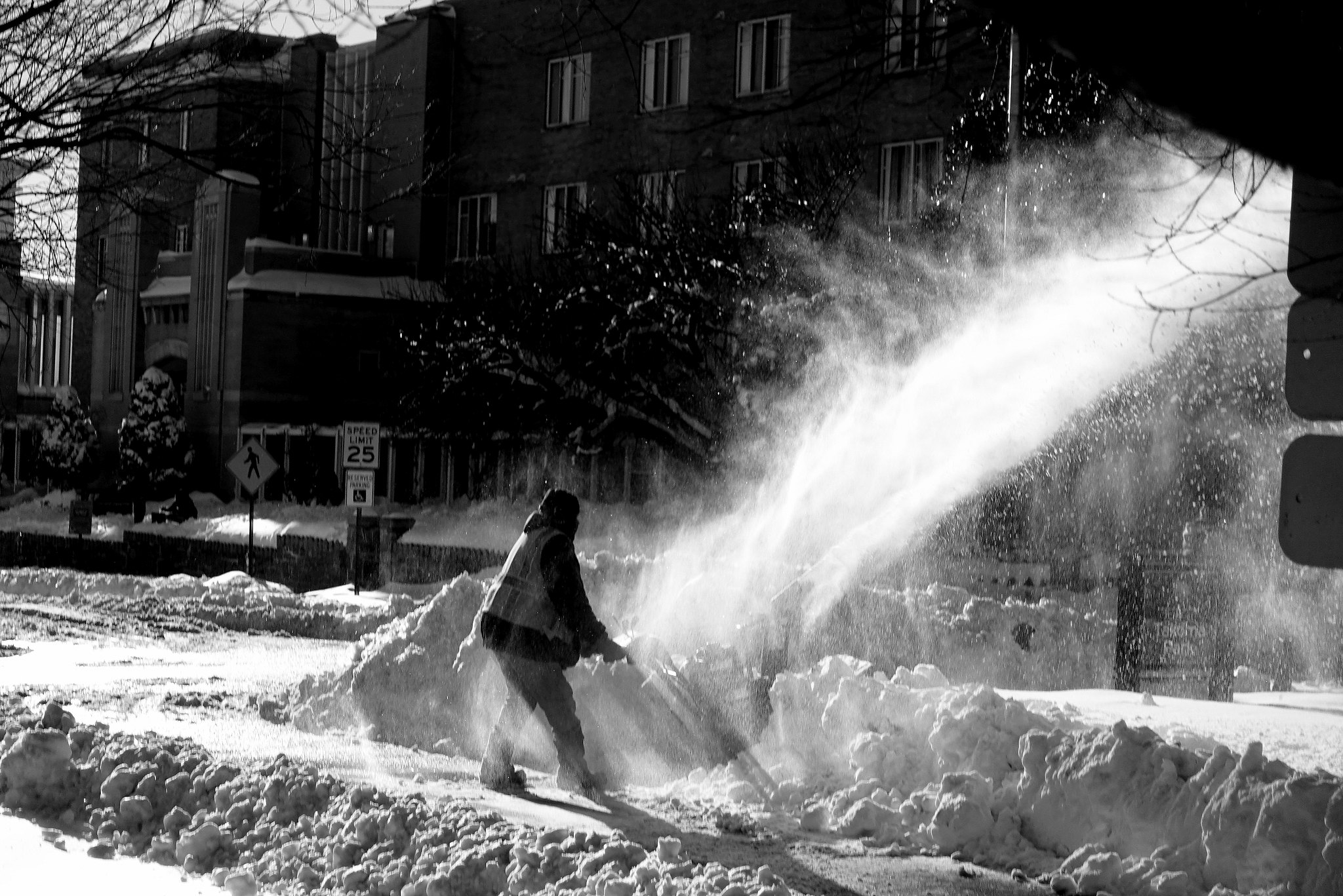
There’s no snow on the ground, but it’s windy and cold here in Boston this morning – 18°F as I poured my morning coffee. I’m happy that I don’t have to go out for anything today. My cupboard is well stocked, and my house is warm. But others aren’t so lucky; especially those who will be working outside. Like mail carriers, utility workers, construction workers, delivery workers, firefighters, and emergency response crews. Winter weather and cold environments pose serious risks to these workers, and employers have a responsibility to protect them from cold-related hazards. More on that below.
A Short Primer on Cold Stress
Cold stress occurs when the body can no longer maintain its normal temperature, leading to serious health conditions. The most common cold-related illnesses include:
- Hypothermia occurs when body temperature drops below 95°F. Early symptoms include shivering, fatigue, and confusion. Severe cases can lead to loss of consciousness and even death.
- Frostbite happens when skin and underlying tissues freeze, typically affecting extremities like fingers, toes, nose, and ears. It can cause permanent damage and tissue loss.
Risk factors include:
- Temperature and wind chill: Wind dramatically increases heat loss from the body.
- Wetness and dampness: Wet clothing accelerates heat loss.
- Work intensity: Light work generates less body heat than heavy physical labor.
- Duration of exposure: Longer exposure increases risk.
- Physical condition: Age, fitness level, and certain medical conditions, such as diabetes, cardiovascular disease, or thyroid problems affect vulnerability.
- Clothing: Inadequate or wet protective gear fails to insulate properly.
Employer Responsibilities
OSHA does not have a specific standard for cold weather, but requires employers to protect workers from recognized hazards under the General Duty Clause. This includes engineering and administrative controls, such as providing radiant heaters to warm workplaces like outdoor security stations; shielding work areas from drafts or wind to reduce wind chill; implementing safe work practices, such as work-rest schedules that allow workers to warm up regularly; providing warm drinks; scheduling maintenance and repair jobs for warmer months when possible; and providing proper personal protective equipment (PPE), including insulated clothing. See the OSHA guide for cold and winter weather here.
Additional Advice for Employers
- Regularly check weather forecasts and wind-chill factors.
- Pay special attention to those working alone or in isolated areas – and also to new workers who may not be acclimatized to cold conditions.
- Ensure communication devices work in cold conditions.
- Train supervisors and workers in first aid for hypothermia and frostbite.
- Have emergency contact information readily available.
- Know the location of nearest medical facilities.
- Never ignore symptoms or assume workers will recover on their own.
Bottom Line
Protecting workers from cold isn’t just about compliance—it’s about preventing serious injury and saving lives. Cold stress is entirely preventable with proper preparation, equipment, and protocols. By taking a proactive approach to cold weather safety, employers can ensure their workforce stays healthy, productive, and safe throughout the winter months.
Remember: if conditions seem too cold and dangerous, they probably are. No job is worth risking a worker’s health or life. When in doubt, postpone non-essential outdoor work until conditions improve.
Be smart, stay warm, and look out for each other.