
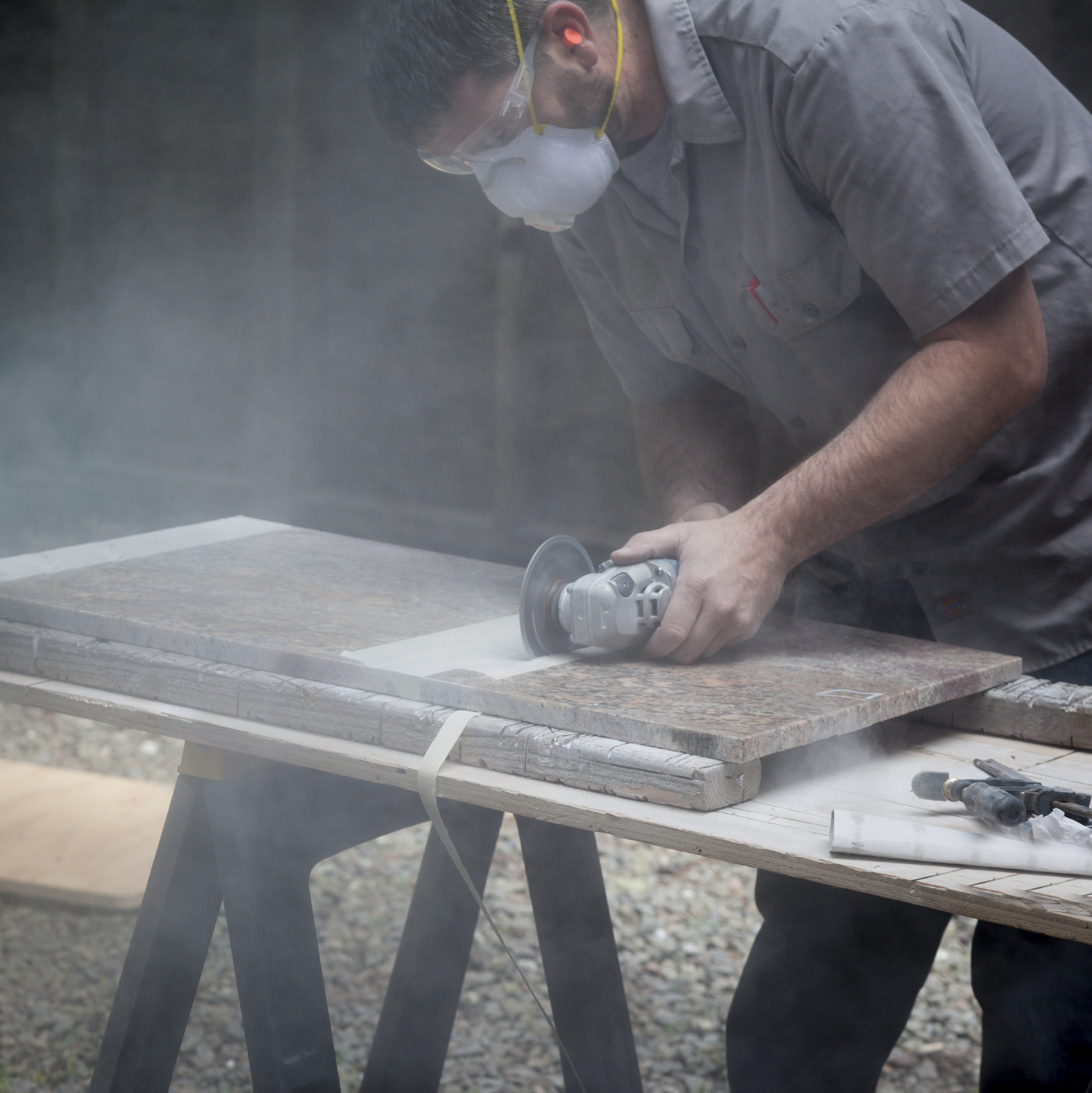
A subcommittee of the House Judiciary Committee is holding a hearing this morning at 10 AM ET with the snappy title Between a Rock and a Hard Place: Protecting the U.S. Stone Slab Industry from Lawfare.
The hearing is focused on a truly outrageous bill H.R.5437 – Protection of Lawful Commerce in Stone Slab Products Act. If passed, it would ban federal and state lawsuits by workers with silicosis against manufacturers of artificial stone slabs that are used to make kitchen countertops. In California alone, hundreds of these workers have developed silicosis and dozens have died.
The bill was written to protect Cambria, the major US producer of these slabs. Cambria’s CEO is Marty Davis, a major financial and ideological supporter of President Trump, which may explain why the Judiciary Committee is holding the hearing.
What is more important than protecting the industry that is killing its workers?
The chairman of the committee is Jim Jordan (R-OH) and the ranking member is Jamie Raskin (D-MD). The Democratic witness is former OSHA head Dr. David Michaels, so it promises to be exciting.
Because what is more important than protecting an industry that is killing its workers?
You can stream it here.
I believe that it was a mistake to offer Dr. Michaels as the Democratic witness, as his testimony wasn’t relevant to the issue at hand, which was, in essence, whether a particular class of manufacturers should be shielded from liability related to how their products are used and sold by downstream retail vendors and contractors. Essentially, Cambria wants to be shielded from joint and several liability when they are brought into a civil complaint in a products liability (or toxic tort/environmental case, as was/is Salvador Martinez et al. vs. MA Kitchen Bath Remodel et al., 30-2023-01359754-CU-TT-CXC
(Superior Court of the State of California for the County of Orange–although it appears that the Martinez case has been consolidated in LA County.)
The big problem that we should be talking about is the lack of meaningful inspection of small to medium sized employers by OSHA. If large corporations such as Cambria want to avoid being found joint and severally liable, they should be advocating for OSHA to inspect these “rogue” smaller companies who are only held accountable AFTER they have maimed and/or killed their employees. So I think that while it is vitally important to focus on the hazards presented by silica, I believe that Dr. Michaels testimony was misplaced because this particular forum was not intended to address those hazards, but rather, the legal implications of those hazards. It was a nice hearing, but it did not meaningfully address the actual bill, or ways the bill could be amended to appropriate address the concerns of Cambria.