
Dateline: Boston, Sunday Evening, February 22:
It’s a chilly and cloudy day here in my fair city, and we’re bracing for an upcoming snowstorm. The forecast is dire; a blizzard warning is in effect, with up to 25 inches of snow predicted to fall over the next 24 hours. The mayor has declared a snow emergency. Schools have announced closings. City services like trash pickup have been delayed a day. Grocery stores are mobbed, with bread and milk flying off the shelves. People are lining up at gas stations to fill their cars.
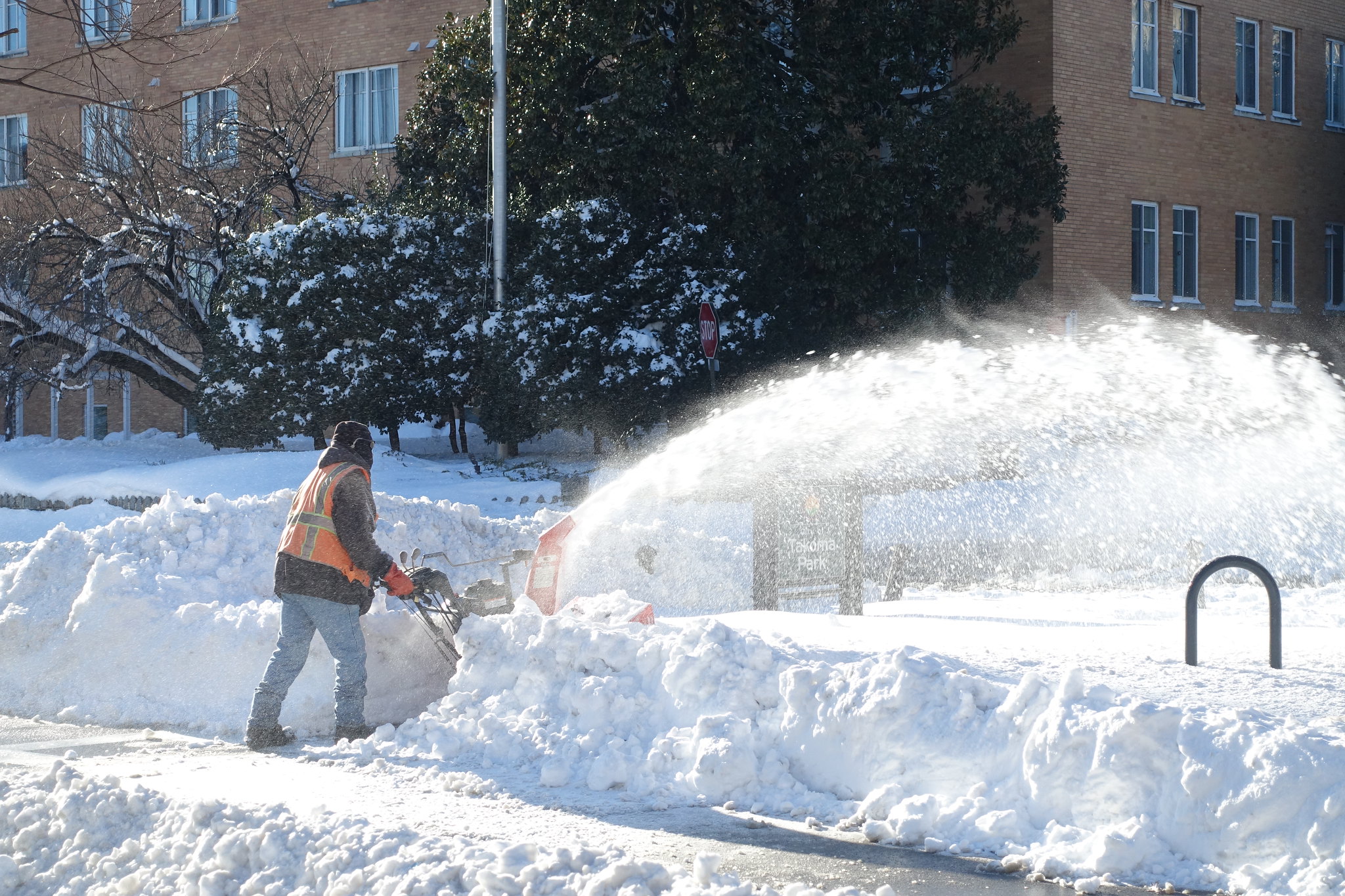
And tomorrow is a workday. As the blizzard bears down, thousands of workers will be pulling on their boots, shoveling out their cars, scraping ice off their windshields, and heading out into conditions the rest of us want to avoid. They’re not doing it for praise or glory. They are doing it because it’s their jobs.
The Faces Behind the Storm
Think about what a blizzard actually requires for our communities to stay functional. For example:
- Plow drivers who have been out all night, clearing roads before the morning commute.
- First responders — police officers, firefighters, and paramedics, who remain on duty day and night to keep our communities safe.
- Emergency dispatchers sitting calmly at their consoles, routing ambulances through whiteout conditions.
- Healthcare workers—doctors, nurses, EMTs, and hospital staff—some who have slept at the hospital rather than risk not making it in
- Pharmacists who weather the storm so that someone’s essential prescription doesn’t go unfilled.
- Nursing home staff and home health aides who provide companionship and essential care to our most vulnerable populations.
- Utility crews, hanging off cherry pickers in the freezing wind, restoring power so the rest of us can stay warm.
- Power plant operators, maintenance crews, and wastewater treatment plant workers, who help ensure we have electricity, heat, and running water during and after the blizzard.
- Truck drivers who continue to transport goods across highways so that stores remain stocked, and supply chains continue to flow.
- Transportation workers who keep the country moving. Pilots, flight attendants, train conductors, bus drivers, and taxi/Uber/Lyft drivers who help those who must travel despite the weather.
- Retail and grocery store employees who don’t have the luxury of staying home on a “snow day.”
- Broadcast journalists and media personnel who track the blizzard and otherwise inform and entertains us during the day.
These workers don’t share a single job title or industry. What they share is the quiet decision — made again and again — to show up when it matters most.
What They’re Up Against
Working in a blizzard isn’t simply inconvenient. It’s genuinely dangerous. Roads that would normally take fifteen minutes can become hour-long ordeals — or worse, accidents waiting to happen. Frostbite and hypothermia are real risks for outdoor workers. Fatigue compounds everything, especially for those pulling double shifts to cover colleagues who couldn’t make it in. Look back at the Weekly Tolls since the end of January and you’ll note that several workers have been killed in snow-related incidents.
And yet, for many of these workers, calling out isn’t an option. Some lack the paid leave or job security to stay home without financial consequence. Others work in fields where their absence directly puts someone else at risk — a patient without a nurse, a neighborhood without a plow, a family without heat.
The weight of that responsibility is something most of us will never fully appreciate from the warmth of our living rooms.
What We Can Do
Gratitude is a start, but it doesn’t end there.
If you have to be out in the storm, be patient with the workers you encounter. The road crew blocking your lane, the employee or delivery driver who’s running a bit late, the cashier who’s moving slowly— they’re doing their best under conditions that are anything but normal.
If you’re an employer, take a hard look at your policies and practices. Can you give some workers the flexibility to stay home when conditions are dangerous without the fear of losing pay or their jobs? How about hazard pay for those who must work in dangerous conditions? Are your expectations realistic given what workers are being asked to endure?
And for the rest of us – let’s just remember to say thank you. To the plow driver who cleared your street. To the health care provider who took your call. To the carrier who delivered your mail. To the police officer directing traffic. To the workers stocking shelves. To the cashiers who checked you out. To the attendant who filled your tank. A simple acknowledgment that their work was seen and appreciated can mean more than you might think.
Bottom Line
Blizzards have a way of stripping things down to what matters. When the world outside turns white and the usual routines grind to a halt, the people who keep things running become ever more visible. They are, in the truest sense, essential.
So, as you “weather” the blizzard or the next time a storm rolls in and you settle in safely for a snow day, take a moment to think about who made that possible. Someone drove the plow. Someone kept the lights on. Someone answered the 911 call.
They showed up so you didn’t have to.
The least we can do is acknowledge and thank them.
Very well done. Thanks.
JimWeeks
Great writing Kathy. Timely but these are the folks that always show up so it applies in many instances
Thank you for an eloquent reminder