
This morning, the United States conducted a bold experiment nobody authorized and everyone immediately regretted. It attempted to function without its workforce. No nurses, no truck drivers, no teachers, no baristas, no sanitation workers, no IT support, no construction crews, no mail carriers, no one to fill the ATMs —just confusion and a long line at self-checkout.
By 8:07 a.m., things were not going well.
Coffee shops stood eerily silent, their espresso machines blinking in quiet confusion, as millions of Americans were forced to confront a terrifying reality: They did not, in fact, know how to make a latte or even a decent cup of coffee.
Emergency rooms became very calm, which at first seemed like a win—until someone realized no one was there to appreciate how calm it was. And that having no hospital staff was not a sustainable healthcare model.
Meanwhile, across the country, office workers bravely attempted to troubleshoot their own Wi-Fi, leading to a sharp spike in existential despair.
Public transportation systems shut down. Flights were grounded, roads grew chaotic, and people began to realize that food does not magically appear in grocery stores—it is grown, processed, transported, and stocked by actual human beings who were, inconveniently, not present.
Schools defaulted to “home-based enrichment,” which lasted approximately eleven minutes before parents began frantically texting teachers begging them to return. Some even attempted to explain long division and were never quite the same afterward.
In cities and towns nationwide, trash collection paused for just long enough to remind everyone that sanitation is not a self-solving problem. Toilets failed to flush because no one was staffing wastewater treatment or water plants.
Infrastructure projects froze mid-repair, leaving potholes to achieve new depths of ambition.
The internet—held together by unseen armies of technicians and engineers—began to wobble, causing widespread panic as people briefly contemplated life offline.
Economists weighed in with a groundbreaking analysis: “This is bad.”
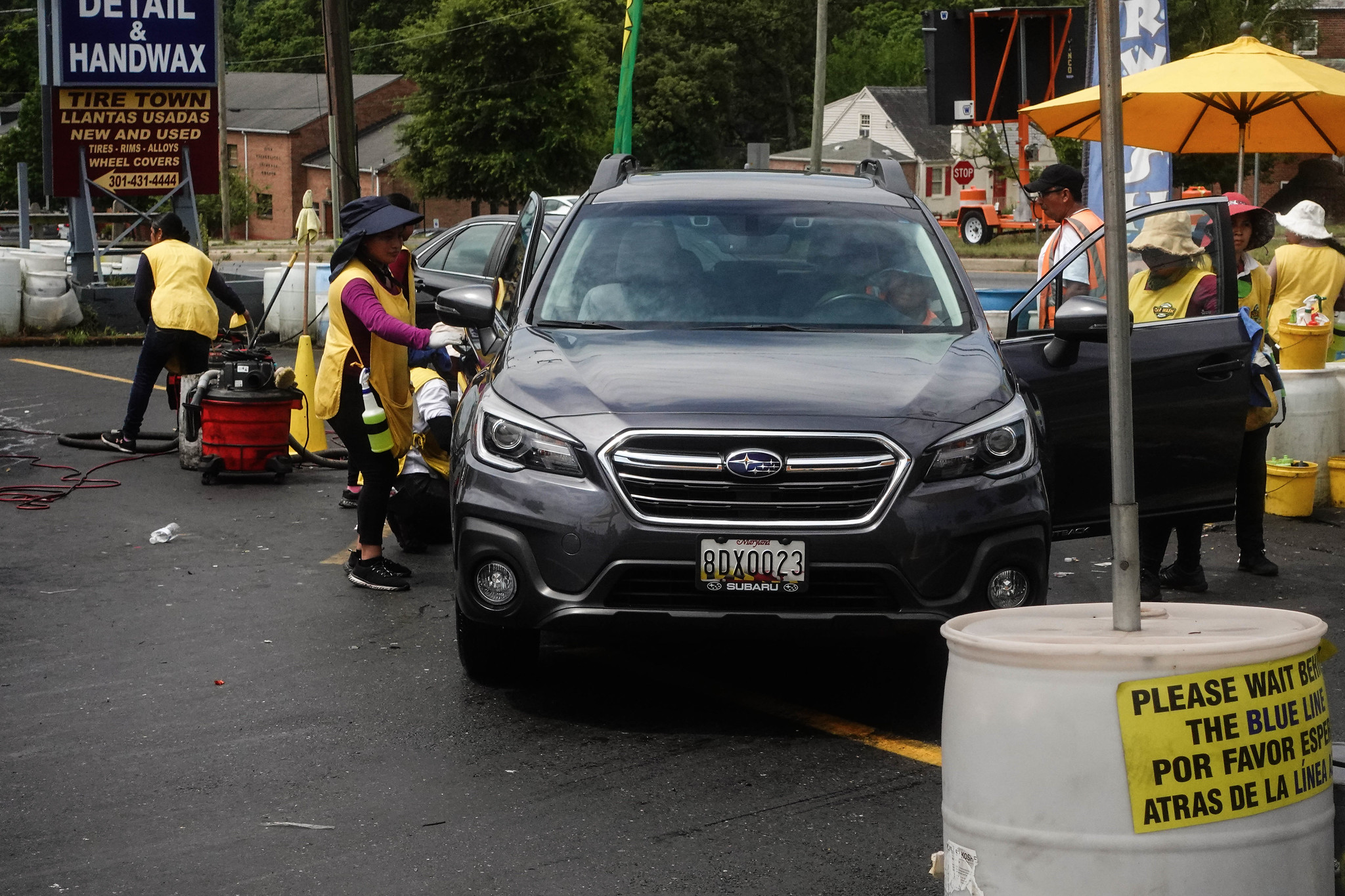
But perhaps the most striking development was more subtle. Without the people who cook, clean, care, fix, build, deliver, teach, protect, and support, the country didn’t just slow down—it revealed how much of daily life depends on labor that is often overlooked and unappreciated. The experiment unintentionally answered a long-standing question: what keeps a nation running? Not slogans. Not press releases. The workforce.
By noon, the workforce returned—reportedly after receiving urgent messages that read, simply, “We get it now. We need you. Please come back.” We’ll pay you more. Health care? No problem. Unions – go for it!
Coffee shops reopened. Hospitals functioned. Packages moved. Classrooms filled. Toilets flushed. The Wi-Fi came back to life, restoring order and allowing everyone to resume their regularly scheduled complaints about it.
Bottom Line
As the nation reflects on this highly unscientific but deeply clarifying exercise, one conclusion stands out: Behind every convenience, every service, every functioning system, there are workers making it happen. And while appreciation posts are nice, it turns out that fair wages, safe and healthful working conditions, and basic respect are even better.
In the end, this April Fool’s Day tale delivered an unexpected truth: a country without its workforce isn’t much of a country at all. It’s just a very confused group of people standing in a grocery store, wondering why the shelves are empty and why the ATM is not spitting out bills.
Happy April Fools Day, everyone. And maybe tip your barista a little extra tomorrow.