
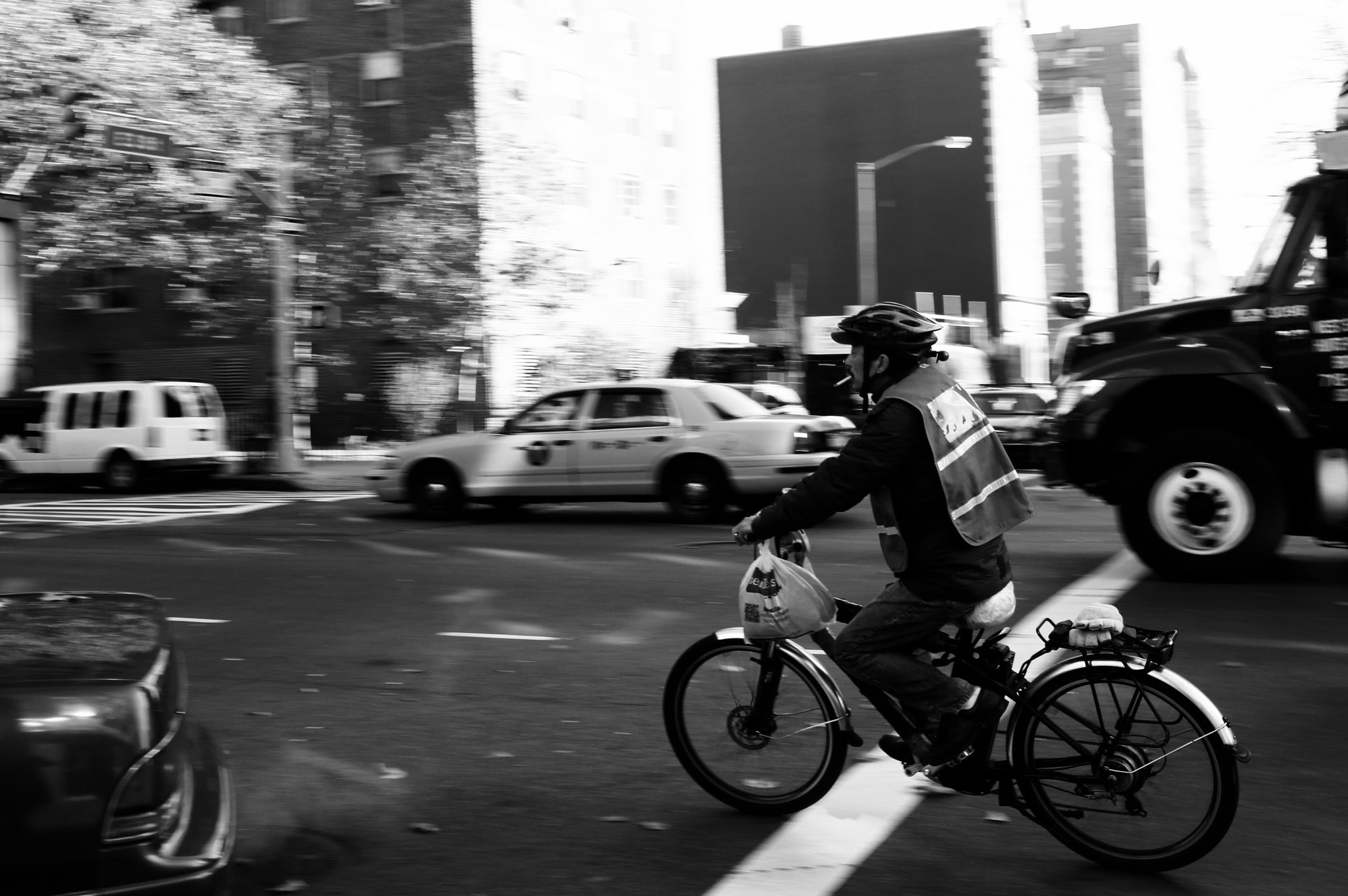
For years, rideshare drivers have powered the American economy without sharing fully in its protections or prosperity. They are essential workers who are always there when we need them most — getting people to hospitals, airports, jobs, and late-night shifts. But too often they are taken for granted or treated as disposable by the multi-billion-dollar platforms they power – Uber, Lyft, DoorDash, Instacart, even GrubHub.
This week, Massachusetts drivers changed that story.
The certification of the App Drivers Union as the first officially recognized rideshare union in the United States is not just a milestone for Uber and Lyft drivers. It is a milestone for labor and for the future of work itself.
The significance is enormous. Nearly 70,000 drivers in Massachusetts now can bargain collectively, after years of resistance from the platforms that profit from their labor. Drivers gathered signatures, organized across language barriers and long work hours, and built enough support to surpass the legal threshold created after Massachusetts voters approved Question 3 in 2024.
The certification of the App Drivers Union as the first officially recognized rideshare union in the United States is not just a milestone for Uber and Lyft drivers. It is a milestone for labor and for the future of work itself.
This victory matters because the gig economy was built with an innate contradiction. The companies touted flexibility and innovation while simultaneously shifting most of the economic risk onto workers. Drivers absorbed the costs of gas (have you seen the price lately?), insurance, vehicle maintenance, and unpredictable wages. They could be “deactivated” with little transparency or recourse. And despite generating enormous value for tech platforms, many drivers still struggle to earn a stable and living wage.
The drivers knew what economists and labor advocates have been saying for years: flexibility should not require surrendering autonomy and dignity.
A Different and Better Vision
What happened in Massachusetts offers a different and better vision. A modern enterprise can embrace technology, app-based work, and flexible schedules while also recognizing that workers deserve a voice. Those ideas are not incompatible. In fact, they are necessary partners if innovation is going to benefit workers and communities rather than simply enrich shareholders.
Critics will inevitably warn that unionization could raise fares or reduce profits. And maybe it will. But that framing too often skips over the more important question: Why should the entire burden of keeping rides affordable fall on workers who already struggle to make ends meet?
For decades, organized labor helped build the American middle class by insisting that workers share in the prosperity they create. The gig economy has largely operated outside those traditions, treating labor protections as relics of another era. Massachusetts drivers just reminded the country that workers do not lose their rights simply because an algorithm assigns the jobs.
Bottom Line
There is something deeply hopeful about this moment. At a time when so much public discussion about technology focuses on replacement, automation, and isolation, these drivers chose solidarity. They chose collective action over individual frustration. They proved that even in an economy designed to keep workers separated — each alone in a car, connected only through an app — people can still organize together.
And that may be the most important lesson of all.
Massachusetts did not merely certify a union this week. It opened a door.