
The Dog Days of Summer – July 3-August 11. The phrase was named after Sirius — the Dog Star — the brightest star in the night sky.
It brings to mind lazy afternoons, family vacations, barbeques, baseball games, and dogs napping in the shade. It’s a phrase we’ve used for generations to describe the hottest, most languid weeks of the year.
But there is nothing charming about extreme heat if your job requires you to work in it.
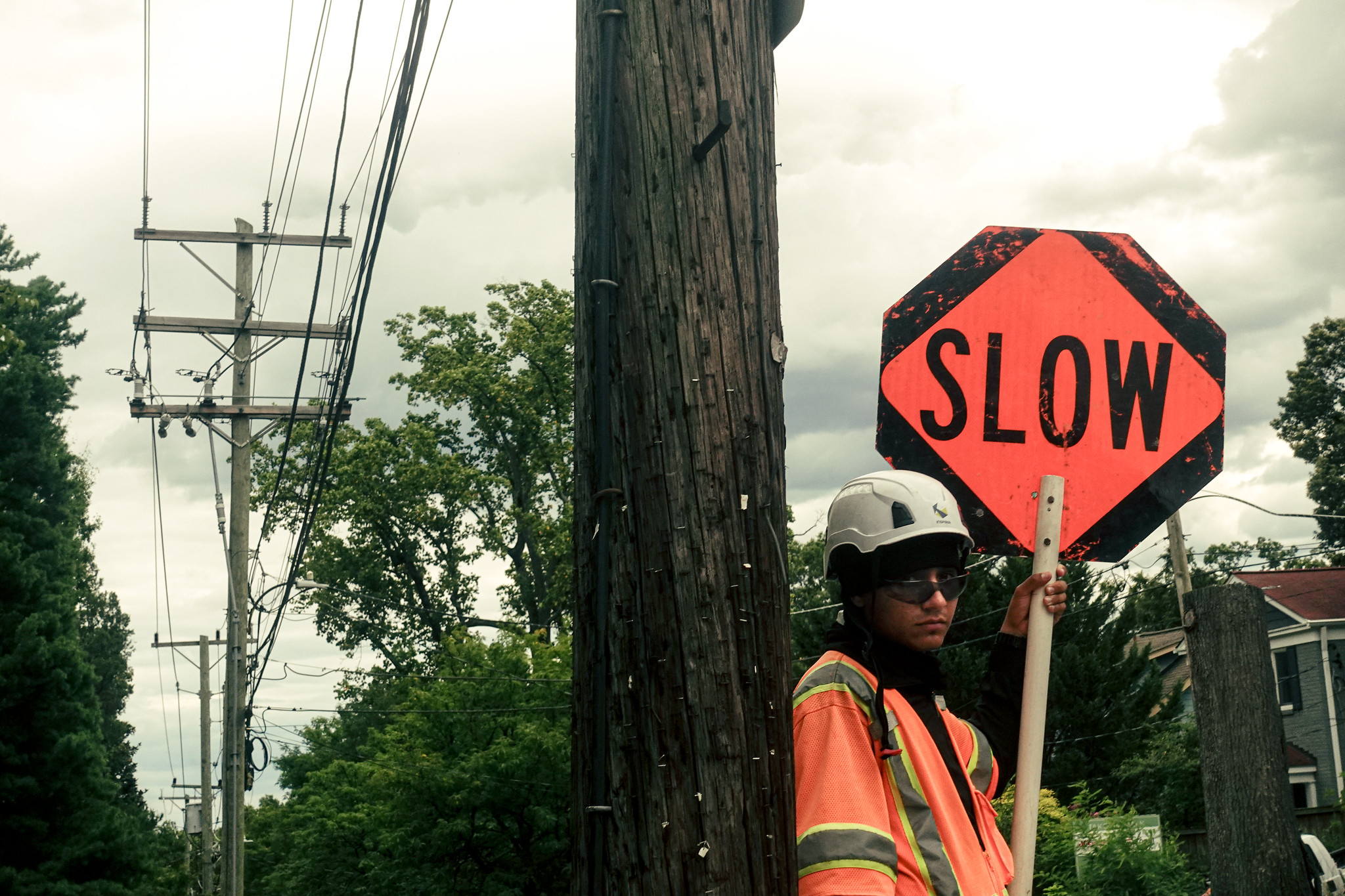
For millions of workers, the Dog Days of Summer does not mean a vacation. And the people most exposed to dangerous heat are often those performing the essential work that keeps our communities functioning. They build our homes, harvest our food, deliver our mail, maintain our roads, restore our power, and respond during emergencies.
They keep working when the rest of us are looking for air conditioning. Their jobs don’t stop because the temperature reaches 95, 100, or higher.
We all benefit from their labor; we all share a responsibility to help protect them.
The Danger Is Real
Extreme heat is one of the leading weather-related killers in the United States, and workers are among those at greatest risk. Heat can cause dehydration, heat exhaustion, heat stroke, kidney damage, heart problems, and death. It also slows reaction times and clouds judgment, making falls, vehicle crashes, and other workplace injuries more likely.
And the problem is getting worse.
Climate change has transformed what used to be occasional heat waves into a long, dangerous season. Every summer is hotter than the last. Communities across the country are experiencing new high temperature levels, and many workers are paying the price – in illness and death.
The Solutions Are No-Brainers
The tragedy is that these illnesses and deaths are largely preventable.
We know what works. Workers need regular access to cool drinking water, shaded or air-conditioned rest breaks, time to acclimatize to high temperatures, training to recognize the warning signs of heat illness, emergency response plans, and the authority to stop work when conditions become life-threatening.
Many responsible employers already provide these protections because they know that healthy workers are productive workers. But not all employers do.
For years, worker advocates, public health experts, labor unions, and responsible employers have urged the federal government to adopt a nationwide standard to protect workers from excessive heat. At precisely the moment when workers need stronger protections, progress remains stalled.
Despite years of research and overwhelming evidence that heat is a growing occupational hazard, OSHA has still not enacted a heat standard — even though the agency published a Notice of Proposed Rulemaking (NPRM) for the Heat Injury and Illness Prevention in Outdoor and Indoor Work Settings on August 30, 2024. Ideally, a standard would establish common-sense requirements for water, rest, shade, training, emergency planning, and acclimatization.
Meanwhile, we can expect the Trump Administration to shelve new protections and roll back existing ones.
As the climate grows hotter, this is precisely the moment when we should be strengthening protections—not retreating from them.
We need stronger workplace heat protections, better enforcement of existing safety laws, more education for employers and workers, and greater investment in research to understand and prevent heat-related illness. We also need policymakers to recognize that heat is no longer an occasional inconvenience—it is an ongoing occupational hazard that deserves the same attention as falls, toxic chemicals, or dangerous machinery.
This isn’t just about weather.
It’s about justice.
Bottom Line
The Dog Days of Summer should be more than a seasonal expression. It should be a call to action—for employers, policymakers, and every one of us.
Heat-related illnesses and deaths are not inevitable. We know how to prevent them. What has been missing is not science; it’s political will.
This month, as we seek relief from the heat, let’s remember those who cannot simply step inside. Then ask yourself—and your elected leaders—what more can be done to ensure that every worker, in every job, has the protections they deserve.
Because no one should have to risk their life just to earn a living.
[…] The Dog Days of Summer and the Workers Who Can’t Escape Them Confined Space […]